

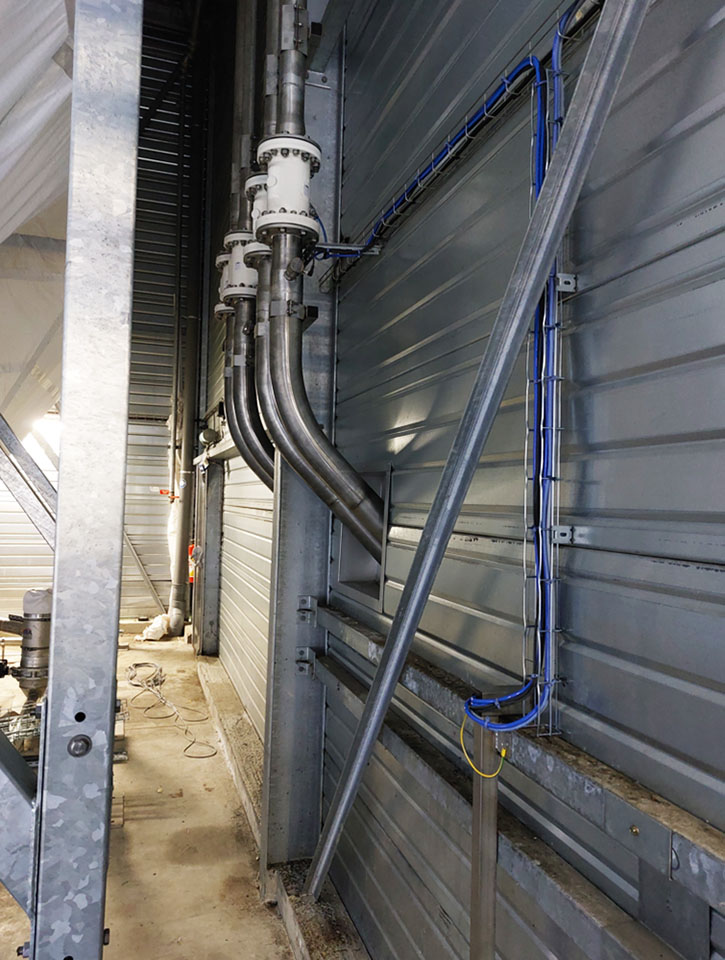
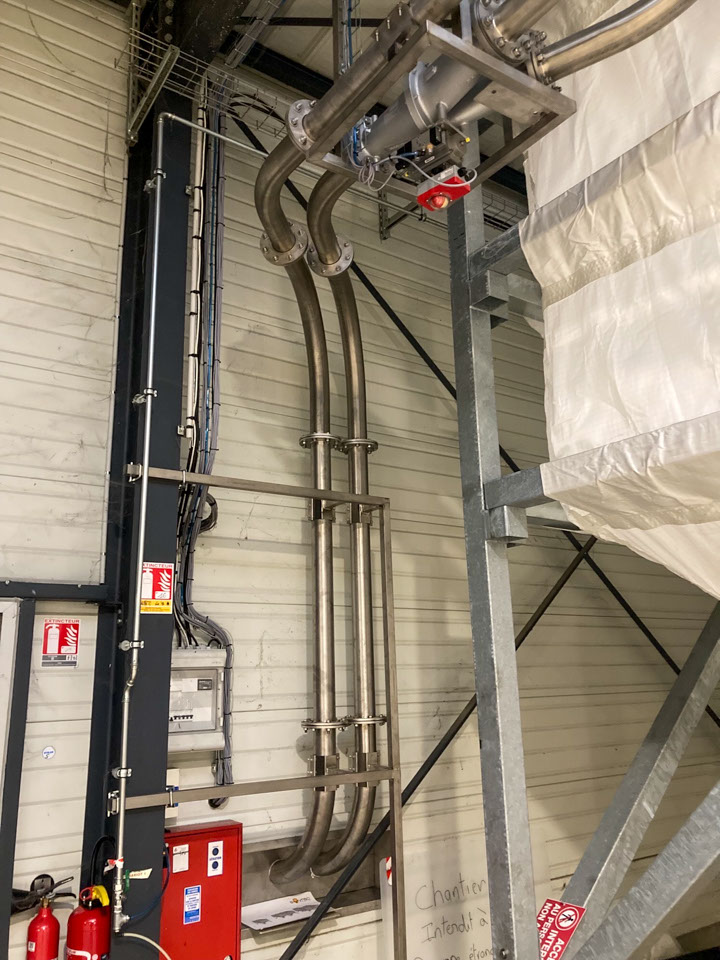
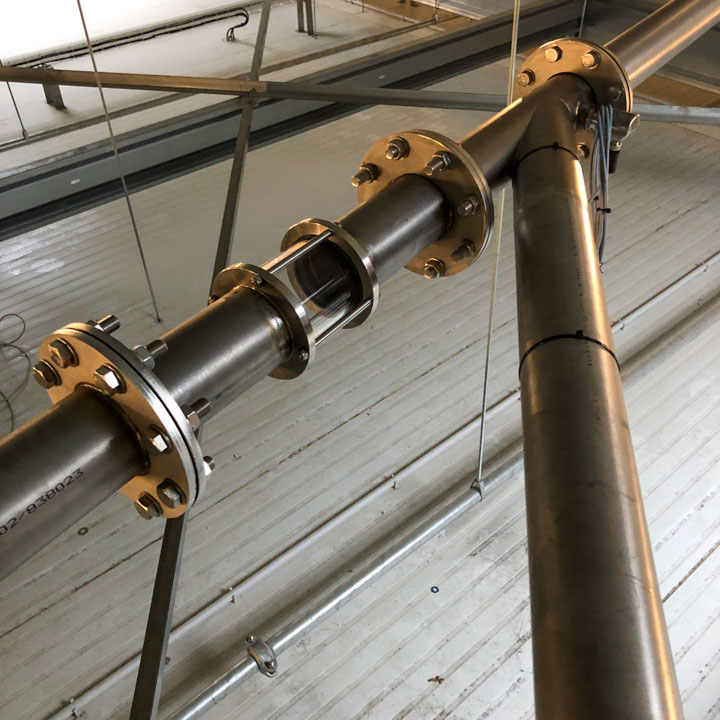
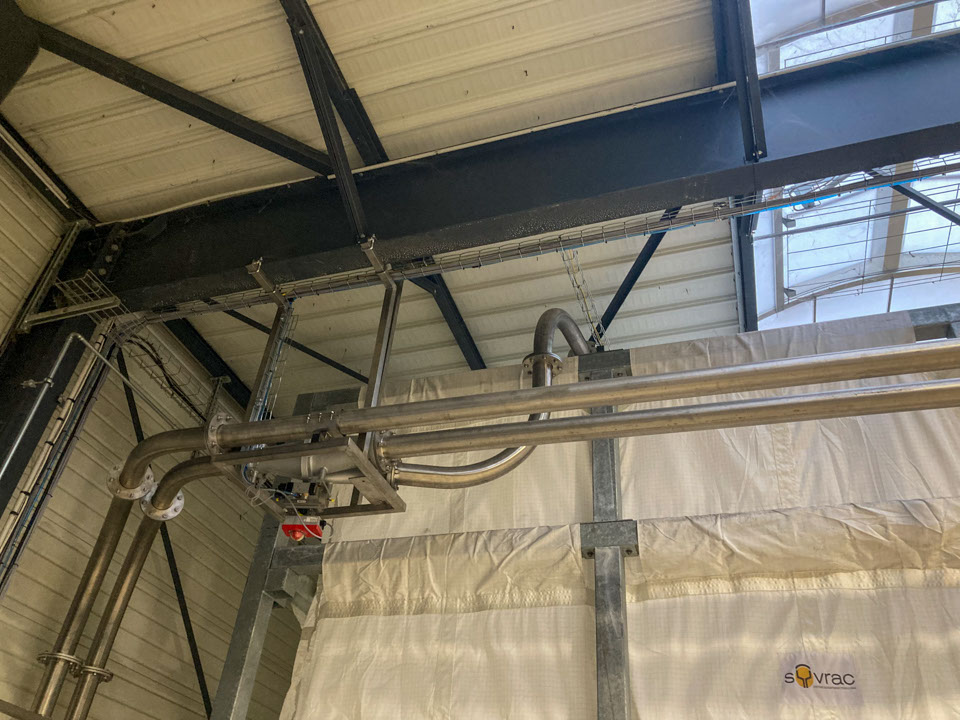
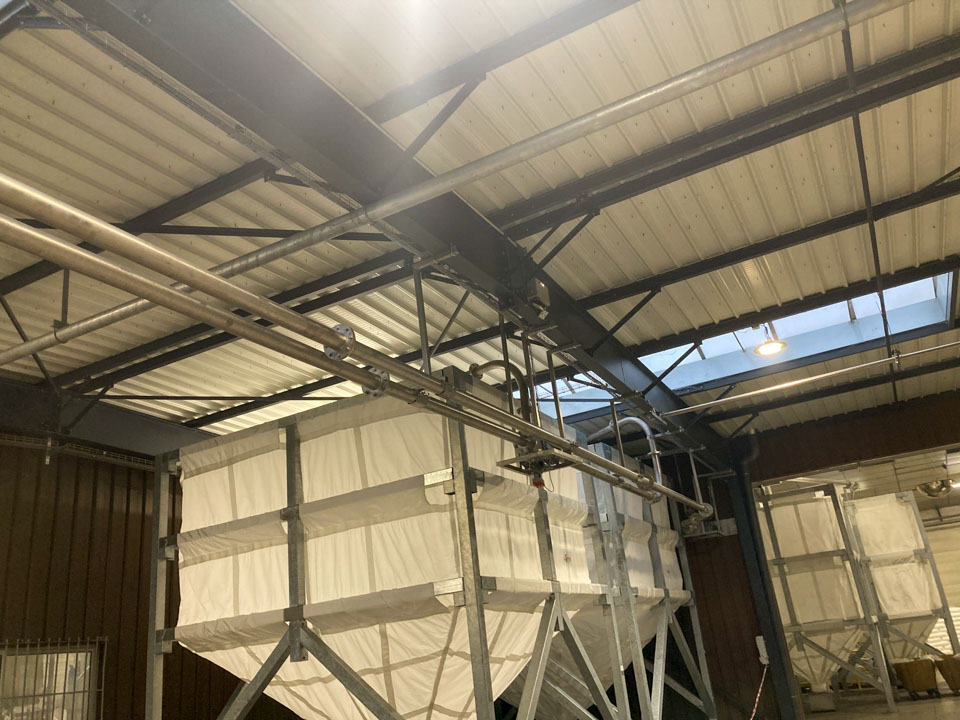
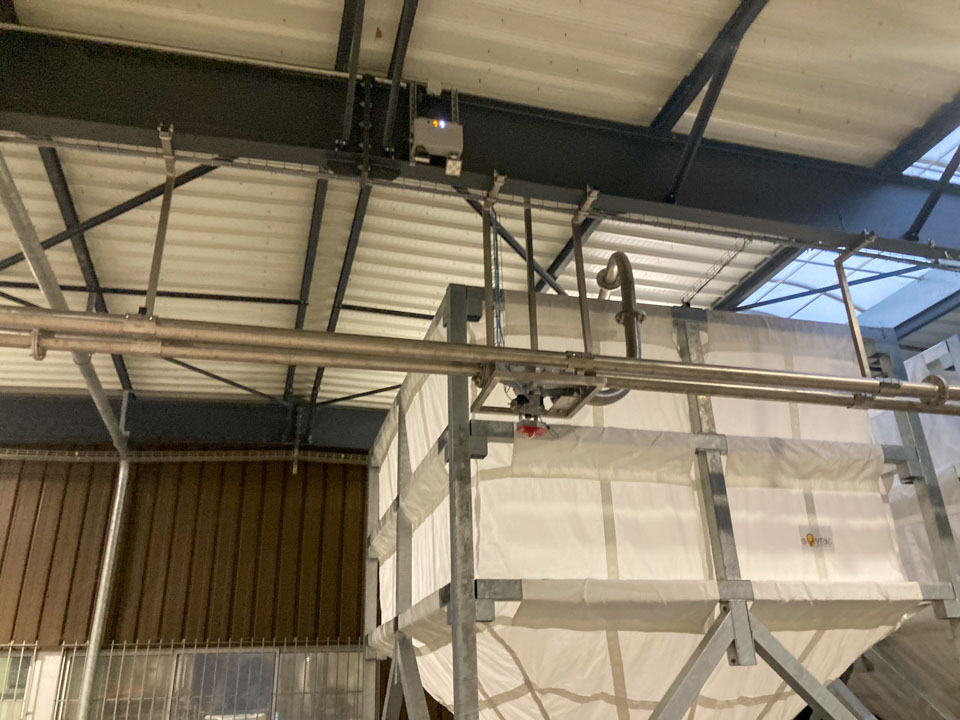
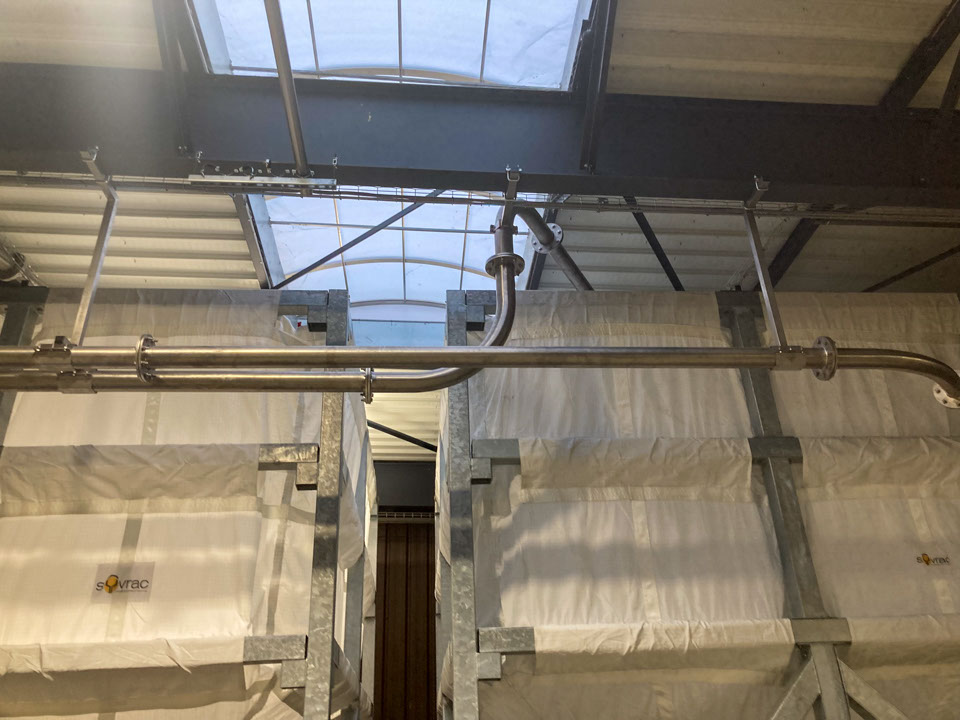
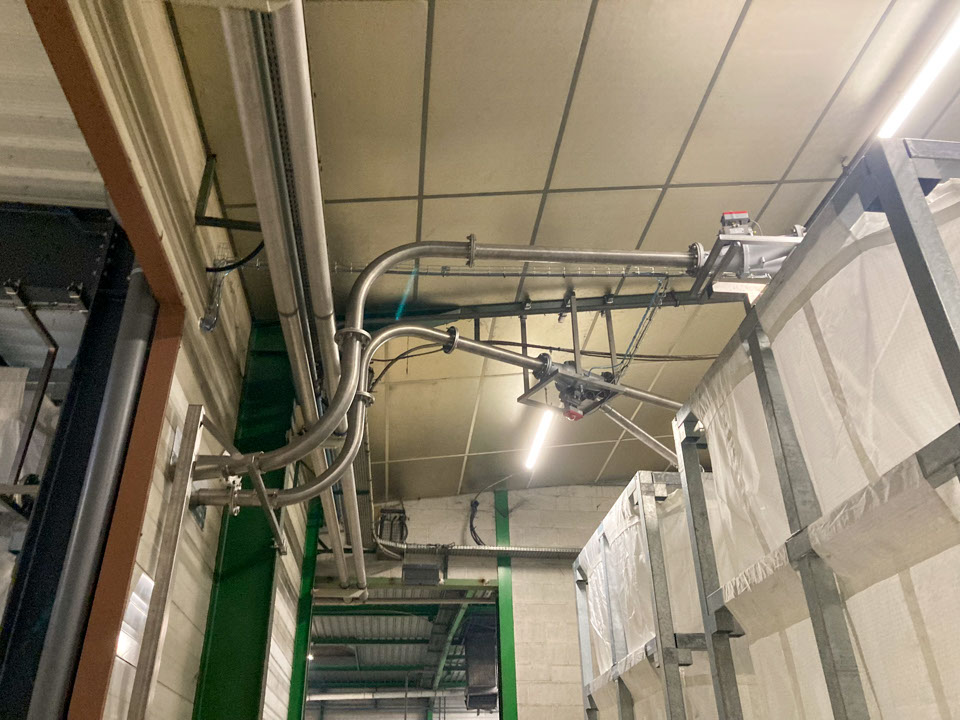
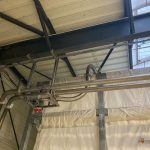
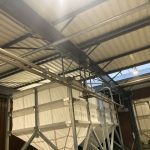
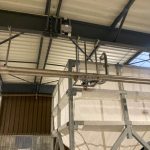
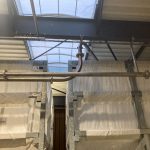
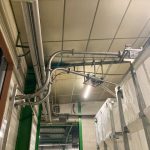
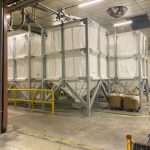
Pneumatic unloading system

A pneumatic unloading network must be carefully designed and adapted to the material being transferred to ensure safety during silo filling and optimal efficiency. During the filling process, delivery tankers carrying powdered materials must not exceed a pressure of 0.8 bar.

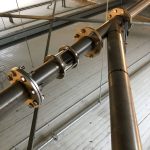
  • Piping assembly with fixed flanges
  • Adapted to the specific requirements of each installation
  • Optimized design for precise pressure control
Contact our experts
Optimized pressure control
100%
Product quality protection
100%
Custom adaptability and performance
100%

Description

Bulk unloading and silo filling are crucial stages in many industries, from food production to raw material management. The efficiency of these systems largely depends on the design and optimization of the piping networks that transfer bulk materials to storage silos.

SYVRAC, a recognized expert in this field, pays close attention to every detail in the sizing of unloading networks. Poorly designed systems can lead to various malfunctions that compromise overall performance and safety. Below is an overview of the main technical considerations in the design of such networks, along with best practices implemented by SYVRAC to ensure efficient and safe operations.

Main Features

  • Unloading networks designed according to the specific material to be transferred
  • Built to withstand high pressure
  • Assembly with fixed flanges to ensure network rigidity

Les défis de la pression dans les réseaux de dépotage

L’un des défis majeurs lors du dépotage des silos en vrac est la gestion de la pression d’air dans le réseau. La pression varie en fonction de plusieurs facteurs, tels que :

  • La longueur du réseau : Plus un réseau est long, plus la perte de pression peut être significative.
  • L’élévation : Un réseau qui monte en hauteur peut générer des variations de pression dues à la gravité.
  • Le nombre de courbes : Chaque courbe génère des pertes de charge supplémentaires, entraînant une baisse de la pression.

Il est essentiel de prendre en compte ces facteurs pour dimensionner correctement le réseau afin d’assurer un débit optimal et une efficacité énergétique.

Le coup de bélier, ou surpression soudaine dans les canalisations, est un phénomène récurrent lors des phases de dépotage. Il se produit lorsqu’une variation brusque de pression engendre une accélération rapide de la vitesse de l’air. Cela peut causer des vibrations importantes, des dommages à la tuyauterie, ou même des ruptures. Une gestion efficace de la pression dans le réseau est donc primordiale pour éviter ces phénomènes et garantir la sécurité de l’installation.


Pressure Limit for Bulk Tankers

Another critical aspect of unloading operations is the maximum pressure the system can withstand without damaging the equipment. For bulk tankers, the pressure must not exceed 0.8 bar during unloading phases. This limit is essential to prevent accidents such as leaks or pipe ruptures caused by excessive pressure.

SYVRAC ensures that all equipment complies with this pressure limit by carefully monitoring network parameters, calibrating compressors, and adjusting pressure regulators. This rigorous control helps reduce water hammer effects and maintain stable operation throughout the system.

The Importance of Fittings and Piping

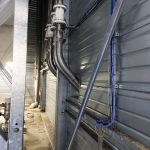
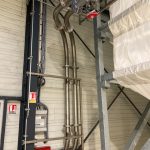
The choice of materials and fittings plays a crucial role in the durability and safety of the unloading network. SYVRAC prioritizes the use of bolted fixed flange assemblies on piping — a reliable solution that ensures excellent sealing and enhanced connection strength. This method also facilitates maintenance and repairs since flanges can be removed and replaced without compromising the integrity of the entire network.

Conversely, clamp-type fittings such as “EURAC” or “MORICE” are limited in SYVRAC installations. Although these systems are commonly used, they can present weaknesses in terms of durability and resistance to high pressure. Therefore, their use is restricted to avoid any risk of network failure.

Pressure Limit for Bulk Tankers

Another critical aspect of unloading operations is the maximum pressure the system can withstand without damaging the equipment. For bulk tankers, the pressure must not exceed 0.8 bar during unloading phases. This limit is essential to prevent accidents such as leaks or pipe ruptures caused by excessive pressure.

SYVRAC ensures that all equipment complies with this pressure limit by carefully monitoring network parameters, calibrating compressors, and adjusting pressure regulators. This rigorous control helps reduce water hammer effects and maintain stable operation throughout the system.

Pipe Mounting and Support

Pipe support and mounting are also essential elements for the longevity and performance of an unloading network. SYVRAC applies strict standards regarding the design and installation of supports and fixings.

For example, hexagonal clamps are used to hold the piping in place while ensuring an even distribution of stress. These clamps are specifically designed to withstand vibrations and pressure variations that occur during unloading operations.

A fundamental rule in piping network design is the prohibition of overhangs greater than 1.5 meters. This prevents the pipes from being subjected to excessive stress that could lead to mechanical failures. Properly installed supports also ensure that the piping does not deform and remains stable throughout the unloading process.

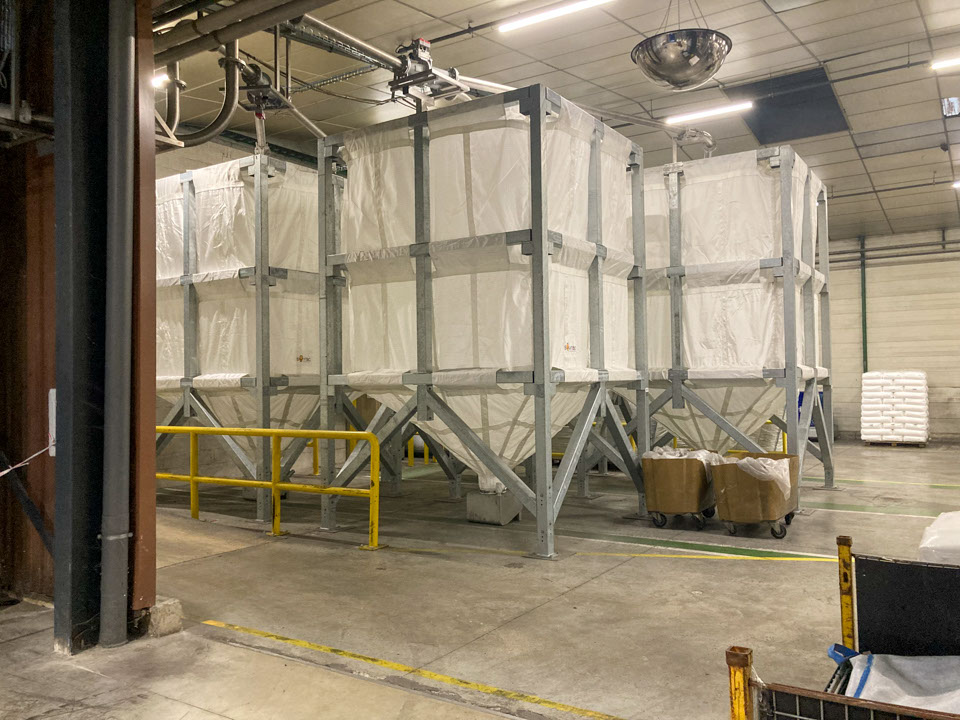
Flexible silo assembly and unloading network

A pneumatic unloading network must be carefully designed and adapted to the material being transferred to ensure optimal efficiency. During silo filling, bulk powder delivery tankers must not exceed a pressure of 0.8 bar. Blowers, typically rated around 1000 m³ of air per hour, provide a safe and efficient transfer. In some cases, a dedicated overpressure control unit for trucks is essential to better regulate the air pressure injected into the network. Additionally, a complementary temperature control system may be required to maintain the product at an optimal temperature, preventing degradation during unloading.

Bulk silo unloading is a complex process that requires meticulous planning and attention to technical detail. Pressure management, material and fitting selection, as well as proper pipe support, are key elements that directly affect the system’s performance and safety. By following strict design principles and implementing proven engineering solutions, SYVRAC ensures the optimal performance of its unloading networks while minimizing operational risks.

Compliance with pressure standards, prevention of water hammer, and the use of suitable materials not only ensure operator safety but also extend equipment lifespan while optimizing operating costs.

This level of design precision reflects SYVRAC’s commitment to delivering safe, reliable, and high-performance solutions for bulk silo filling operations.

Options

Each of our silos comes in a standard configuration, and the available options allow us to customize them according to your needs and requirements.

"Expert

Construisons ensemble votre solution de stockage

Fabien S.

Expert solution process poudres

Our achievements for Pneumatic unloading system

Since 2014, we have acquired solid expertise and experience in installing solutions for the storage, transfer and dosing of powdered raw materials for our customers. Discover our achievements.