
How to clean a flexible silo

Categories : Flexible Silo | Services and Maintenance

Cleaning a silo cover is essential to preserve its waterproofing, limit contamination and extend its service life. Discover the main types of dirt (dust, mould, stains, droppings) and a simple cleaning protocol using the right equipment. Follow the key steps (dusting, gentle washing, antifungal treatment, rinsing and drying) as well as best practices for storage and inspection to protect your grain for the long term.

Problem

How can silo tarpaulins be cleaned effectively to ensure their longevity and protective efficiency?

1. Analysis of types of dirt

The main impurities observed on silo covers are:

  • Dust and soil deposits: Accumulated by the wind and the environment.
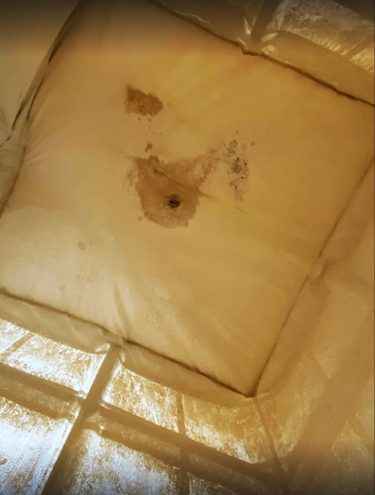
  • Mould and fungi: Promoted by humidity.
  • Oil or chemical stains: Resulting from the handling of grain or agricultural equipment.
  • Bird and rodent droppings: Health risk for crops.

2. Silo Tarpaulin Cleaning Plan

A. Equipment Required

  • Soft brush or broom
  • Warm water
  • Mild soap (e.g. Marseille soap or neutral detergent)
  • White vinegar or antifungal solution (in case of mould)
  • Clean cloths or sponges
  • Garden hose with medium spray (avoid high pressure, which could damage the fabric)

B. Cleaning steps

1. Initial dusting

  • Spread the canvas on a clean, dry surface.
  • Remove dust with a broom or air blower.

2. Wash with soapy water

  • Prepare a solution of warm water and mild soap.
  • Gently scrub the canvas with a sponge or soft brush.
  • Focus on stained areas without damaging the waterproof coating.

3. Mould treatment (if necessary)

  • Mix white vinegar with water (50/50).
  • Apply to mould stains and leave for 15 minutes.
  • Brush gently and rinse thoroughly.

4. Rinsing and drying

  • Rinse the canvas with clean water to remove any soap or vinegar residue.
  • Allow to air dry in the shade to prevent damage from UV rays.

3. Comparative Case Study: Impact of Cleaning on Lifespan

MethodObserved lifespanCondition of canvas after 3 years
Quarterly cleaning7 yearsVery good condition, flexible and waterproof
Annual cleaning5 yearsStains present, slightly stiff
No cleaning3 yearsTears, mould, brittleness
"Expert

Let's Build Your Storage Solution Together

Dominique M.

Powder Process Solution Expert

4. Best Practices

  • Recommended frequency: Clean every three months and after each season of use.
  • Avoid harsh chemicals that could damage the fabric.
  • Store the fabric clean and dry in a place protected from moisture and rodents.
  • Inspect the fabric after each cleaning for cracks and repair them promptly.

5. Conclusion and Recommendations

Proper cleaning preserves the quality and waterproofing of silo tarpaulins. Establishing a regular cleaning protocol ensures greater profitability and reduces the risks associated with contamination and premature deterioration.