When should you opt for a flexible silo rather than a rigid one?
5 min de lecture



FDA, HACCP, IFS, EHEDG, and EC 1935/2004: Understanding Food Industry Standards and Regulations
In the food industry, compliance with safety and hygiene standards is essential for ensuring the conformity of facilities and the quality of finished products. But between European and American regulations, design standards, and food safety certifications, it can sometimes be difficult to navigate. FDA, HACCP, IFS, EHEDG, EC 1935/2004…
What are their specific characteristics? What are they used for? Syvrac, a specialist in the storage and transfer of food powders, helps you better understand these standards and select equipment compliant with your market requirements.

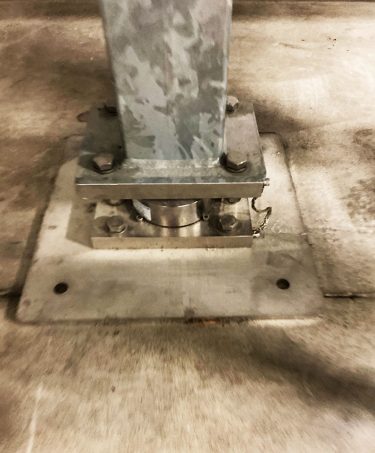
The most effective method for weighing a silo is to install load cells (also known as load cells) directly under the silo. These sensors measure the total weight of the silo and its contents, offering high accuracy.
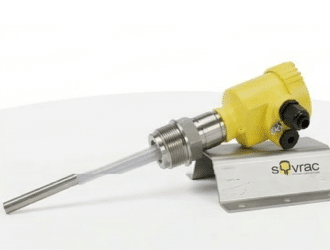
You can find out about the different types of sensors used to weigh your silo on our product page.

Dominique M.
Powder Process Solution Expert
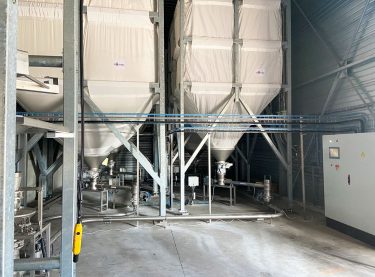
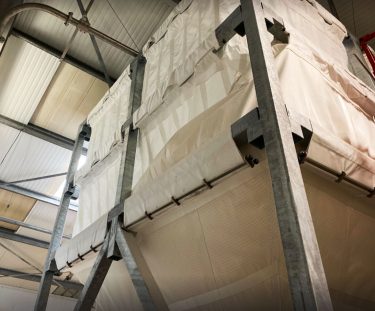
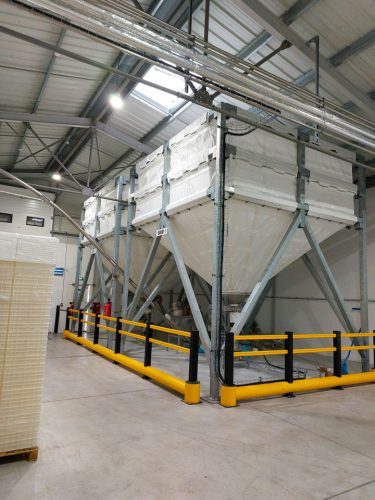
Accurate silo weighing is essential for optimal management of powder and bulk material stocks. Whether you use flexible, rigid or stainless steel silos, it is crucial to understand the available weighing methods, their advantages and their limitations.
In some cases, particularly during modernisation projects or when budget constraints apply, alternative methods may be considered.
These systems measure the deformation of the silo legs to estimate the weight of the contents. However, they generally offer less accuracy and are more suited to indicating trends than providing exact measurements. Furthermore, they do not comply with legal weighing standards, such as IFS controls.
Level sensors such as radars can be used to estimate the volume of material in the silo. However, this method does not take into account the variable density of materials, which can lead to inaccuracies.
For accurate and compliant weighing, installing load cells under the silo remains the most recommended method. Although alternatives exist, they do not provide the same level of accuracy and may not meet legal requirements.
To learn more about weighing solutions for your silos, contact the experts at Syvrac.
SYVRAC provides you with equipment for the storage, transfer and dosing of powdered raw materials.