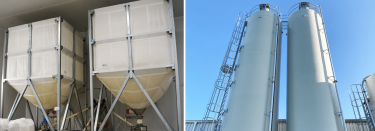
When should you opt for a flexible silo rather than a rigid one?
5 min de lecture



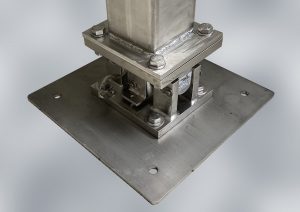
Calibrating a silo is an essential step to ensure weighing reliability and proper management of raw materials. Whether you use a rigid silo, a flexible silo, a stainless steel silo, or any other type of storage, proper calibration helps optimize the accuracy of weighing sensors and prevent measurement errors.
In this article, we explain how to calibrate your silo, correctly adjust your load cells (weighing sensors), and avoid common mistakes.
A poorly calibrated silo can distort stock tracking, generate production discrepancies and even impact the profitability of a facility.
Calibration ensures:

Dominique M.
Powder Process Solution Expert
Silo calibration involves several key steps:
Before starting, always reset the load cell display to zero. This eliminates any drift in the
sensors and provides a good starting point.
A calibration weight is generally used to calibrate load cells, but in the case of silos and given the weights involved
, this is complicated. We therefore prefer to use a bulk truck carrying the product to be stored. The truck driver
drives over the weighbridge before and after filling the silo. His delivery note indicates the exact weight of the
material transported.
During filling, ensure that:
must be closed properly. No external dust extraction system must suck product out of the silo.
Once the weighing has been confirmed and validated, the silo is correctly calibrated and ready to operate with
optimal accuracy.
Whether you work with a stainless steel silo, a flexible textile silo, a flour silo, a grain storage silo
or a chemical silo, calibration is an essential step. A good methodology helps to avoid
weighing errors and ensures accurate monitoring of stored materials.
By applying these best practices and remaining vigilant on the control points, you guarantee the reliability
of your installation and optimise your stock management.
SYVRAC provides you with equipment for the storage, transfer and dosing of powdered raw materials.