


How can silo tarpaulins be effectively maintained to optimise their durability and ensure optimal protection for grain?
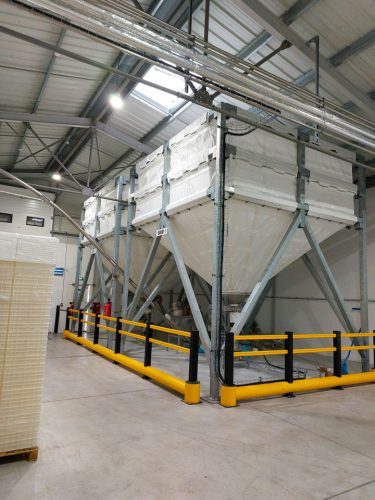
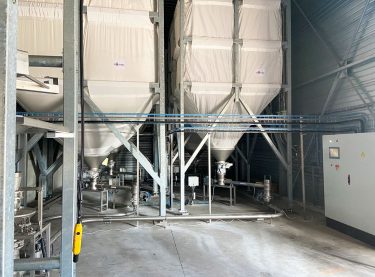
Flexible silos are essential for the safe storage of grain. Regular maintenance of their tarpaulins is crucial to ensure their longevity and preserve grain quality. In this article, we will discuss best practices for effective silo cover maintenance.
1. In which sector is it important to clean silo covers regularly?
Silo cover maintenance is particularly essential in the agri-food sector. This is because the storage of raw materials such as cereals, flours or food powders must comply with strict hygiene standards to avoid any risk of contamination, mould or the development of harmful insects.
2. How often should flexible silos be maintained?
The frequency of maintenance for flexible silos varies between 6 months and 2 years, depending on their use and the type of product stored. Silos intended for sensitive materials, such as flour and powdered food products, must be cleaned more frequently to prevent the accumulation of residue and ensure optimal storage.
3. What are the key steps for effective cleaning of silo tarpaulins?
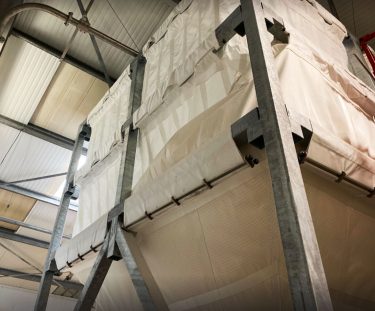
- Easy dismantling with the EASYVRAC system: the EASYVRAC system allows for quick and safe removal of silo tarpaulins, facilitating their maintenance.
- Professional cleaning at SYVRAC: the covers are sent to SYVRAC, where they are cleaned using methods adapted to agri-food requirements.
- Quick reassembly with EASYVRAC: after cleaning, the covers are quickly reassembled using the EASYVRAC system, reducing silo downtime.
4. How can the EASYVRAC system help me clean my tarpaulins more easily?
The EASYVRAC system, designed by SYVRAC, simplifies the maintenance of flexible silos by facilitating the assembly and disassembly of the tarpaulins. This system allows for:
- Quick installation and removal without complex intervention.
- Optimised access to the tarpaulins for inspection and cleaning.
- Reduced downtime for installations.
5. How can damage be prevented and the service life of silo tarpaulins be extended?
- Regular inspections: frequently check the condition of the fabric to detect any early wear and tear.
- UV protection: UV-treated fabrics extend their service life.
- Humidity control: maintain a humidity level suitable for the product being stored.
- Check truck loading air pressures: incorrect pressure settings can cause excessive tension and premature wear of the covers.
6. What are the signs that a silo tarpaulin needs special attention?
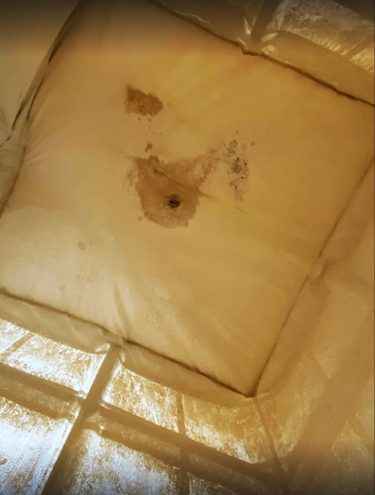
- Discolouration or thinning areas.
- Appearance of mould.
- Visible tears or abrasions.
- Black pigmentation on the outside, indicating potential contamination.
How SYVRAC can help you maintain your flexible silos
SYVRAC offers innovative solutions to facilitate the maintenance of flexible silos. Our silos are designed with high-quality fabrics and our EASYVRAC system allows for quick assembly and disassembly. We also offer a professional cleaning service for your fabrics, ensuring optimal hygiene and a longer life for your equipment.
By choosing SYVRAC, you are opting for a reliable and effective solution that guarantees the protection of your grain while facilitating the maintenance of your silos.