


Modernising semolina storage: how an industrial caterer optimised its bulk logistics
Our client’s production site manufactures ready meals, including tabbouleh. Wheat semolina is the main raw material used in this process. Until recently, the factory managed its supply of this material exclusively via big bags. However, the constant increase in production rates eventually meant that this method could no longer cope.

Background
The manual handling of the bags imposed significant constraints: constant unloading of lorries, bulky storage on the floor, and the need to replace the big bag on the emptying station every five minutes. As well as the waste of time, this system increased the risks associated with handling. To improve operational efficiency, the manufacturer opted to switch to a solution to modernise semolina storage by installing high-capacity flexible silos.
This project makes it possible to eliminate reliance on disposable packaging whilst ensuring a secure supply chain. By switching from bagged to bulk storage, the factory improves its profitability, reduces its plastic waste and enhances the tracking of its raw materials within a strict regulatory framework.
The operational limitations of big bag packaging
Analysis of handling and safety constraints
Although big bag operations are suitable for moderate volumes, they become a bottleneck when production volumes increase. At this client’s site, teams had to maintain a continuous cycle to feed the process. Each bag had to be received, moved by forklift truck, then hoisted onto an unloading station. With a change required approximately every five minutes, the pressure on staff was constant.
This repetitive nature of the tasks, which added no value, increased the risk of workplace accidents. Furthermore, the large number of bags being opened generated a significant volume of plastic waste requiring reprocessing, whilst also exposing the material to the ambient environment during handling.
Design of a bespoke storage solution for a challenging environment
Refurbishment of an existing space into a dry goods store
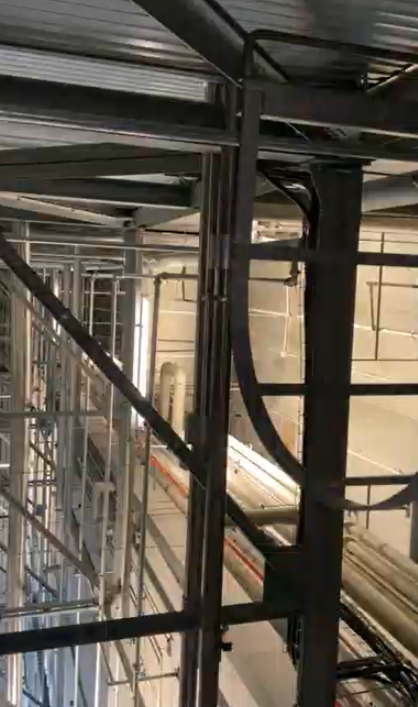
One of the distinctive features of this project was the layout of the equipment. Rather than constructing a new building, Syvrac recommended refurbishing an old, disused cold store. This technical space was converted into a dedicated dry goods store.
The installation comprises two flexible silos made of fabric, each with a capacity of 30 tonnes, specifically designed to fit within this space with its fixed dimensions. This approach allows the existing infrastructure to be shared whilst isolating the wheat semolina from other production flows.
Technical performance of the unloading and weighing system
A high-performance pneumatic conveying system
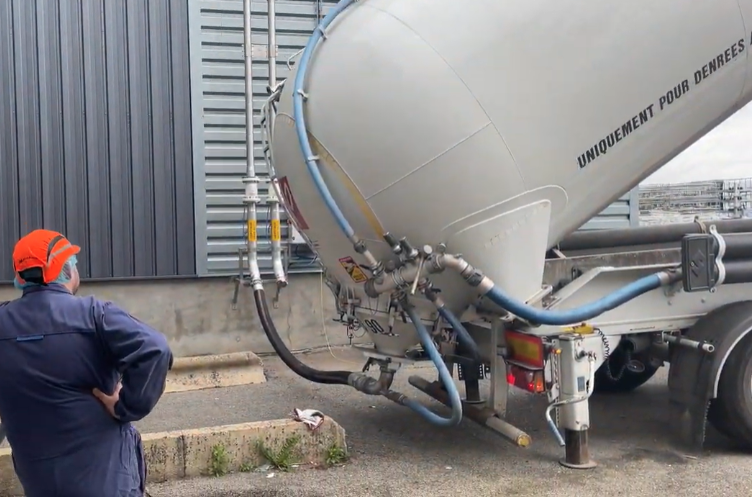
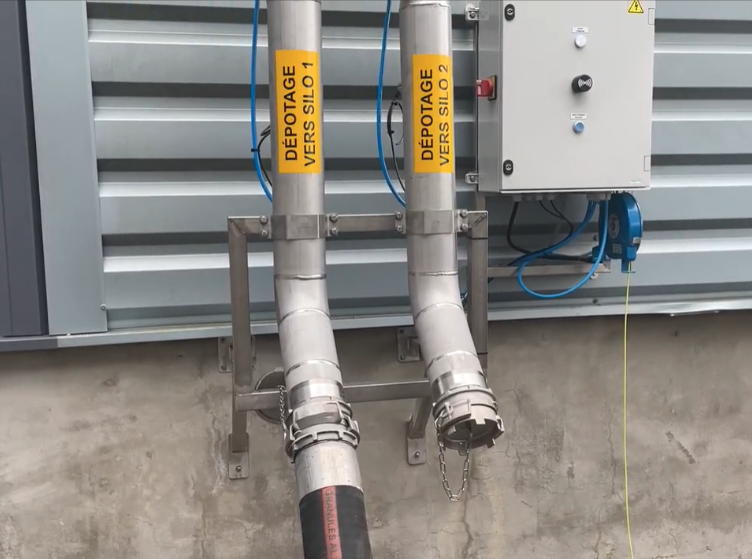
At the heart of the plant is a stainless steel pipework system approximately thirty metres long. This circuit provides a direct link between the external unloading point and the two silos. This network is specifically designed for receiving raw materials and enables wheat semolina to be unloaded at a rate of 24 tonnes per hour.
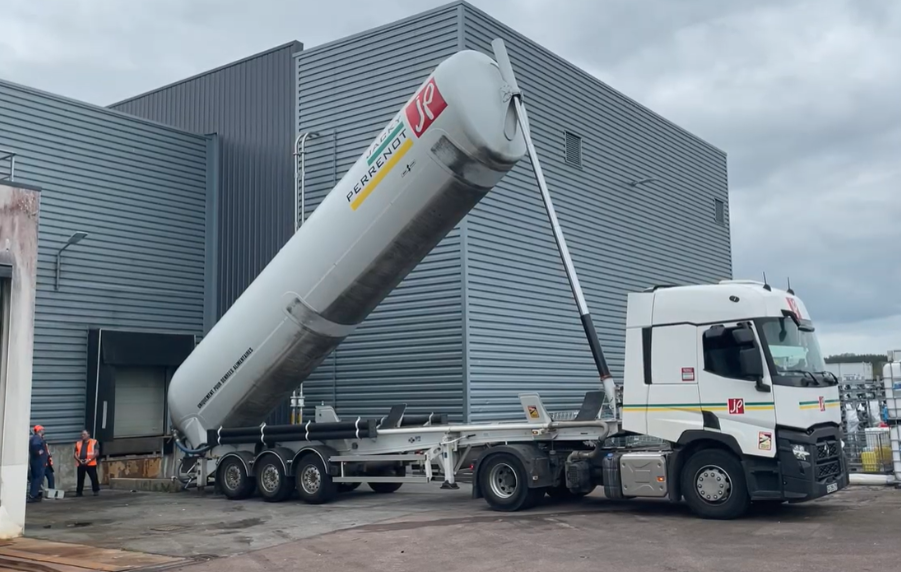
This speed reduces the time lorries spend on site to around 1 hour 15 minutes. Stainless steel was chosen for its food-grade compliance and resistance to abrasion.

Let's build together your storage solution
Stéphane B.
Powder processing solution expert
Feedback and tangible benefits for manufacturers
Time savings and reduced physical strain
The installation has transformed operators’ day-to-day work. The elimination of big bag handling frees up valuable time: where physical intervention was previously required every five minutes, the system now manages the supply autonomously. Feedback confirms that the time taken to unload a lorry is 1 hour 18 minutes. This predictability eliminates the bottlenecks caused by managing the bags on the floor.
Environmental and economic impact
Beyond productivity, the switch to silos addresses financial considerations. By purchasing semolina in bulk, the manufacturer reduces the price per tonne. From an environmental perspective, this change eliminates the use of hundreds of plastic bags and pallets every year. Less waste to sort also means a reduction in the costs of processing waste for the site!
The modernisation of the storage system at this industrial client’s site demonstrates that a bespoke installation can resolve throughput issues whilst integrating with the existing infrastructure. By replacing big bags with precision flexible silos, the factory has improved safety and hygiene, whilst ensuring its continued IFS compliance.
FAQ
What impact does the switch to bulk storage have on IFS certification?
The switch to flexible bulk silo storage enhances the food safety standards required by the IFS standard. By eliminating the handling of open bags, the risks of cross-contamination, foreign bodies and pests are reduced. Traceability is also simplified thanks to centralised management of incoming deliveries.
During an IFS audit, control of critical control points is rigorously examined. Sealed silo storage provides a constant physical barrier between the raw material and the outside environment. Unlike the floor-level storage of big bags, where packaging can deteriorate, bulk storage in silos allows for strict control. This centralisation also facilitates the recording of batch numbers during pneumatic unloading, ensuring precise tracking of the supply chain right through to incorporation into the finished product.
What solutions are available for installing a silo in an existing industrial building?
Installation in an existing building relies on the design of bespoke silos, tailored to the ceiling heights and available access points. The use of rigid or composite silos allows for maximising storage volume (in this case, 30 tonnes per unit) without the need for major structural work.
Syvrac’s engineering expertise enables us to move beyond standard dimensions to adapt to the site conditions. In the case of this food industry client, the flexible silos were sized to accommodate 25-tonne deliveries, which corresponds to the capacity of a tanker lorry. Opting for a bespoke solution avoids wasted space and allows the support feet to be positioned according to the constraints posed by utility lines (electricity, compressed air). This technical flexibility is often crucial to successfully making the transition to bulk storage in facilities that are already operating at full capacity.
How can pneumatic unloading from a storage silo be made safe?
Safety relies on monitoring the internal pressure during transfer. A three-colour indicator light alerts the operator in real time: if the pressure reaches 1.2 bar, an alarm sounds and the system shuts down automatically for safety reasons.
During unloading, the air pressure used to propel the semolina may vary. Accidental overpressure would pose a risk to the integrity of the silo. To prevent any incidents, the system installed by Syvrac acts as an active barrier. From 1 bar, the orange signal warns of an abnormal rise in pressure. The 1.2 bar threshold triggers an immediate shut-off of the flow, protecting the equipment from deformation. This system ensures that teams have a safe working environment during every delivery.
How do you switch from big bag storage to bulk silo storage?
The transition requires a technical study to determine the type of silo (composite or flexible) and the layout of the unloading network. Once the equipment has been sized, the installation can be carried out quickly (two weeks in this case). The installation can incorporate barcode scanning to maintain continuity of data flows.
The switch to bulk storage does not mean a loss of flexibility. For this specific client, the installation remains compatible with a barcode scanning system at the entrance to the network. This allows each delivery to be validated and batch data to be fed into the management system. This approach ensures a secure transition: the benefits of bulk handling are utilised whilst maintaining the rigorous control associated with individual packaging.
EDC déchargement
EDC-traiteur-atelier
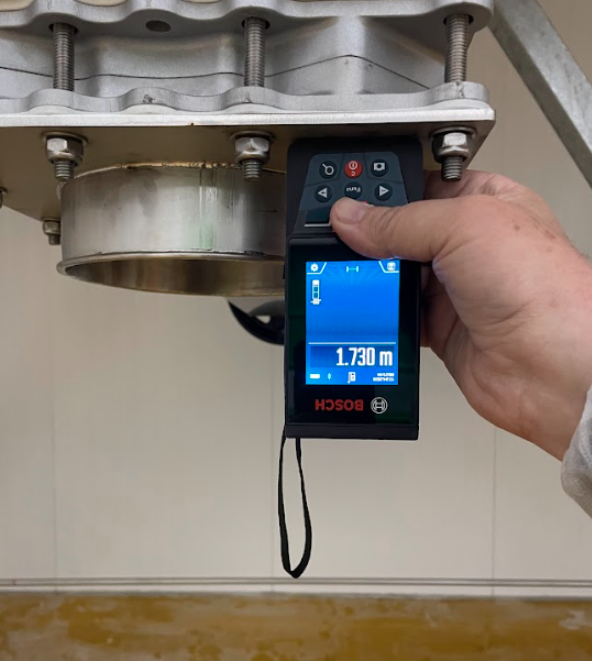
EDC-traiteur-mesure
EDC-TRAITEUR