

Customer application

How silo weighing eliminates production downtime and optimises raw material procurement

The industrial client in the food and drink sector, which uses silos to store its raw materials (powders, granules, bulk goods), had no way of knowing precisely and in real time how much product was left. This lack of visibility led to approximate stock management, creating significant financial and operational risks.

Here are the questions the client was asking before the project:

  • What is the exact quantity of raw material I have in my silos at any given moment?
  • How can I automate my restocking alerts to avoid stock-outs?
  • At what precise moment should I place an order to optimise my
    purchase costs?
  • How can I make my production more reliable without investing in new silos?
Contact our experts
Réparation et remise en route du silo après une tempête

The context

Fluctuating raw material costs make inventory management critical. Longer lead times exacerbate this major risk.

A stock-out can bring an entire production line to a standstill. This costs up to €10,000 per hour of downtime. Rush orders cost 15 to 30% more.

The business challenge is to safeguard production. Manufacturers must also streamline their procurement. Uncertainty regarding stock levels creates the risk of downtime. The client was therefore looking for a reliable management solution for its silos.

The customer presented specific constraints. These challenges are common across many industries:

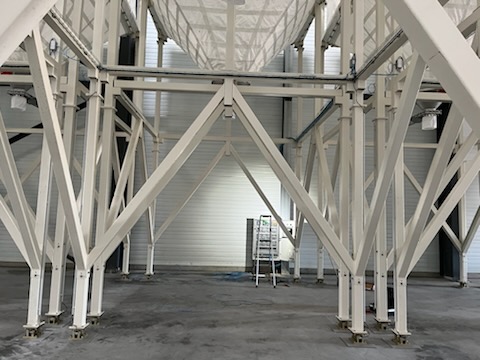
  • Technical: The solution adapts to the existing installation. It is suitable for flexible silos, whether composite or steel. No major modifications are required.
  • Operational: The installation has a minimal impact on production. The works must not halt ongoing operations.
  • Human: Manual handling of bags is eliminated. This reduces the risk of musculoskeletal disorders (MSDs) for staff.
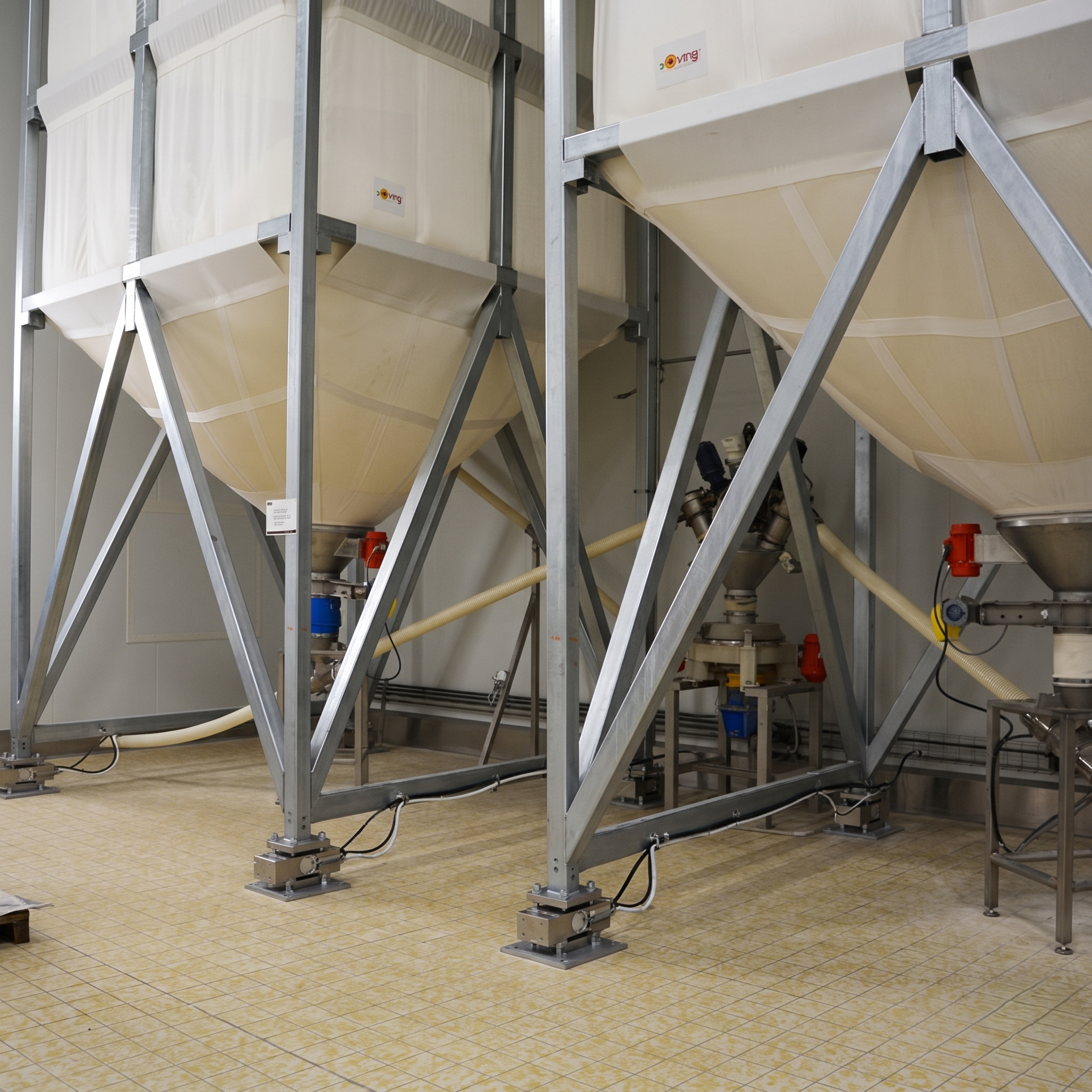
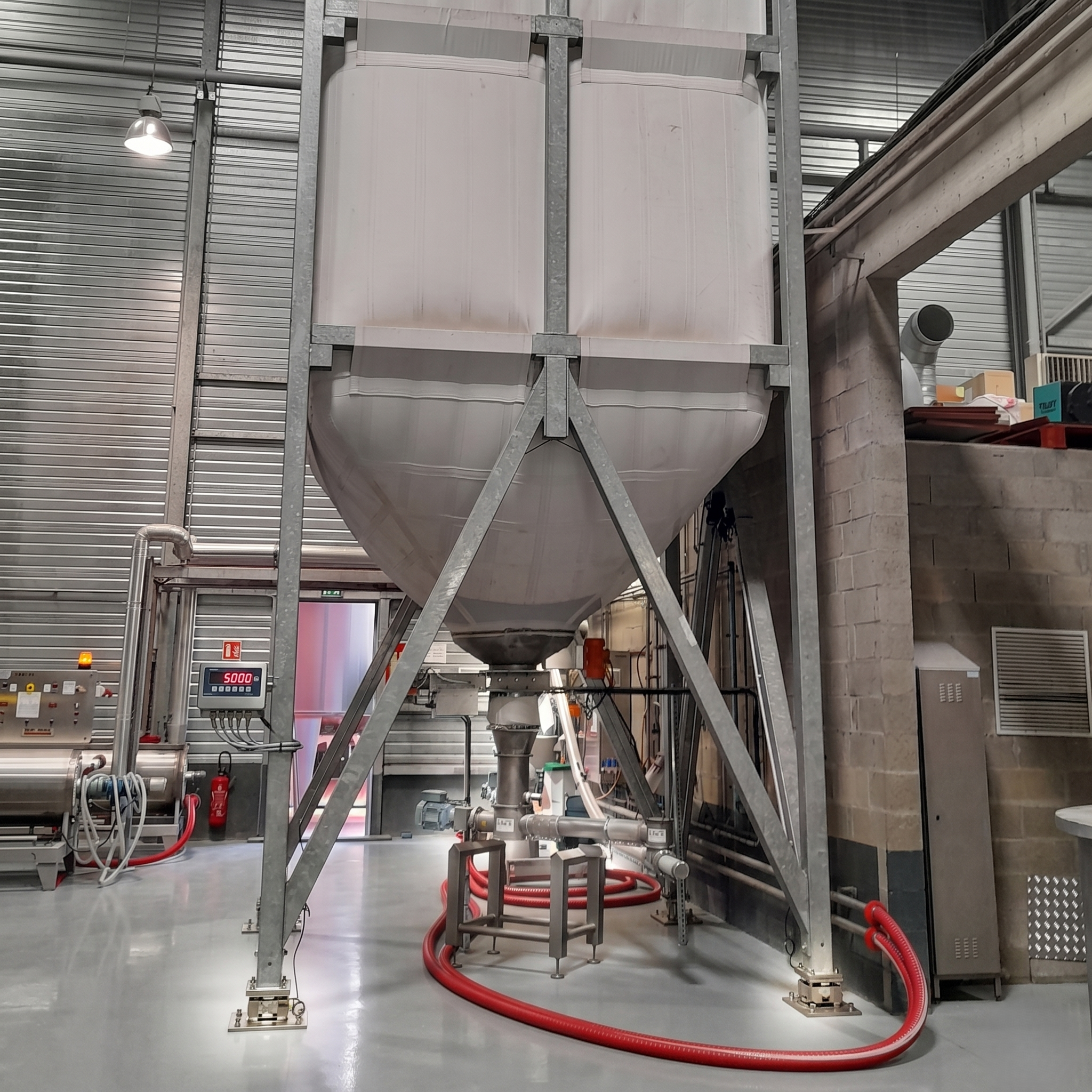
flour silo on a weighbridge

Proposed solution:

SYVRAC has integrated a load cell weighing system directly onto all the legs of the existing silos, providing an accurate, real-time view of stock levels. This solution, which was quickly installed, has eliminated supply and production shortages, optimised purchasing by 5 to 10 per cent and achieved a return on investment in less than 18 months

  • Key objective : To provide reliable, real-time weight data for each silo in order to automate and optimise raw material stock management.
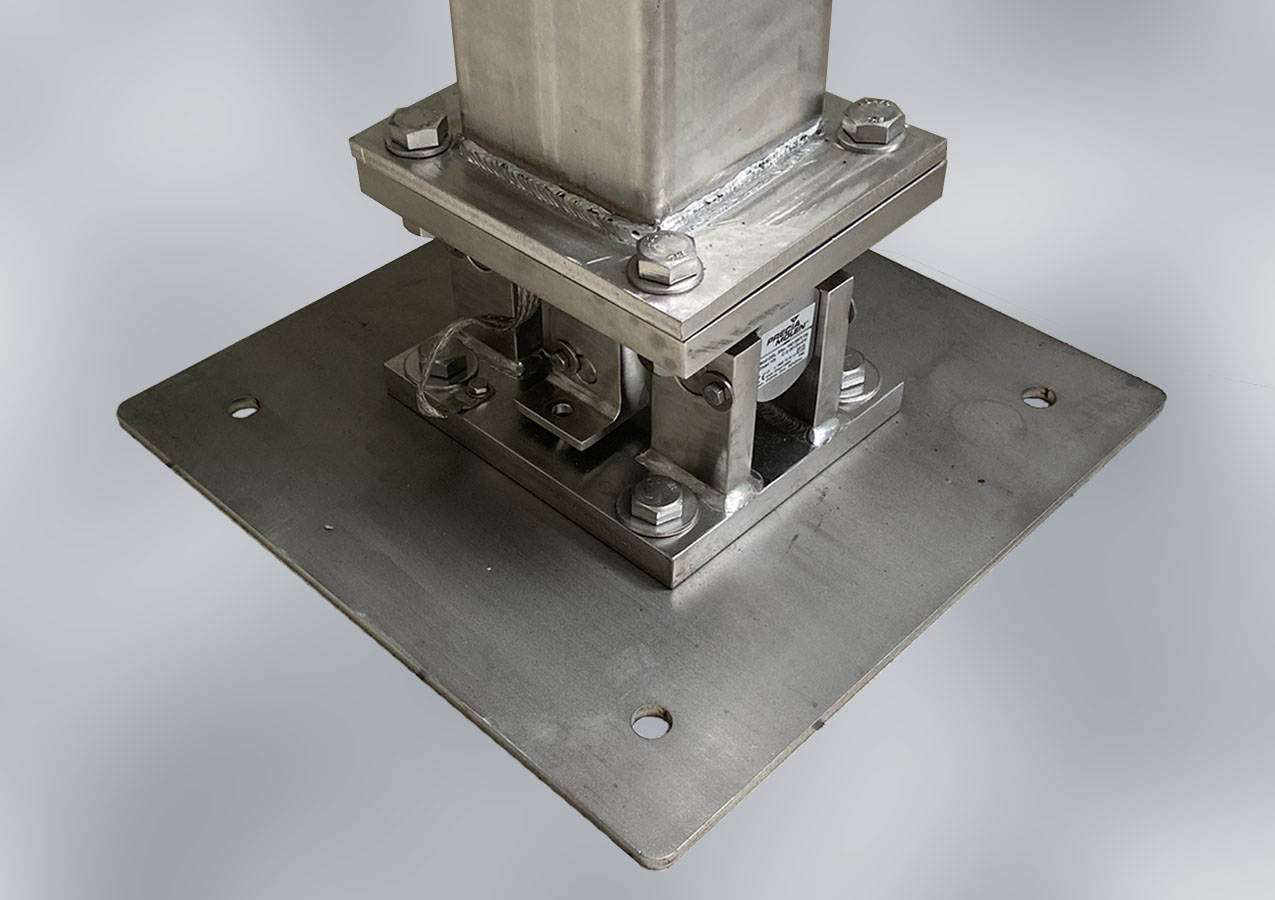
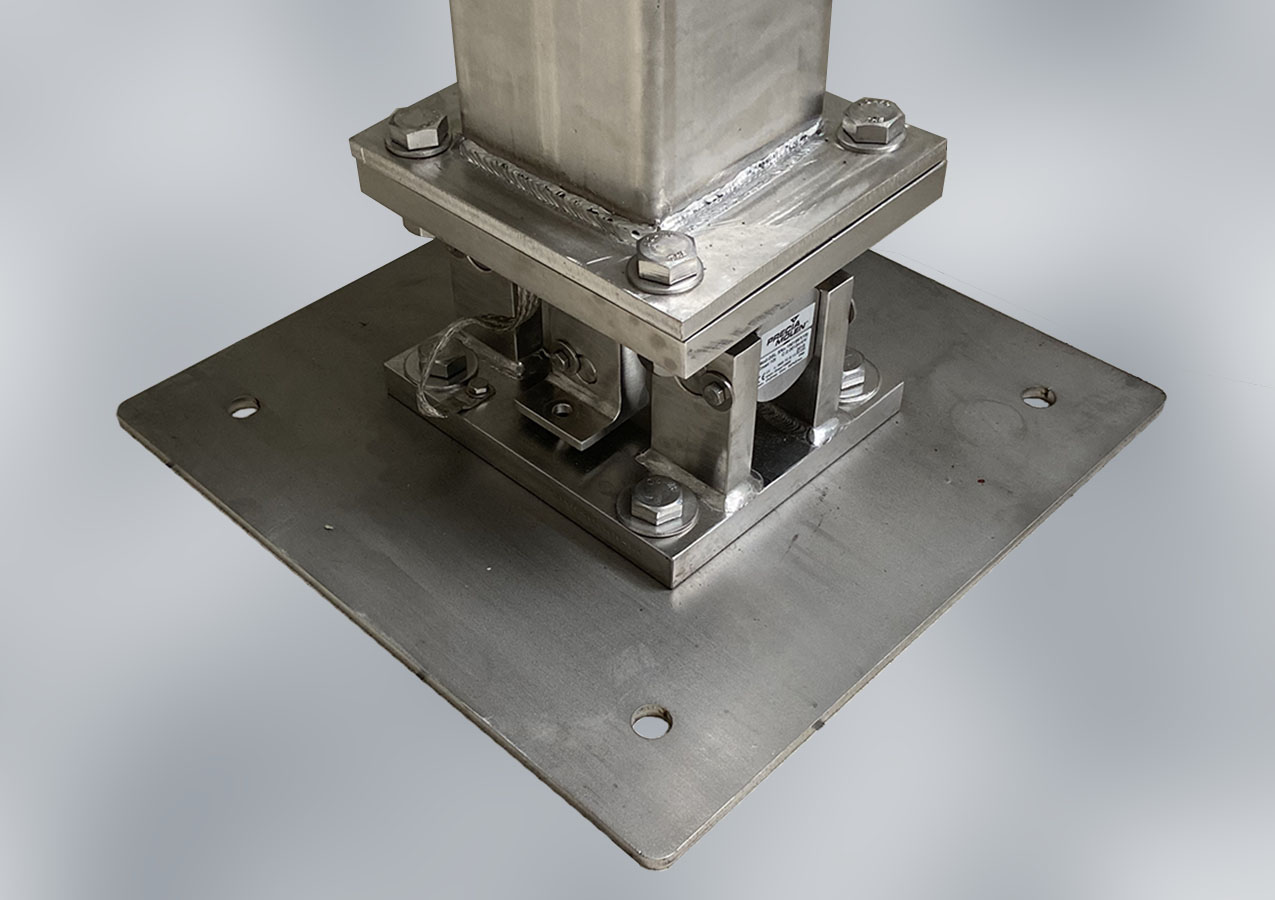
  • Proposed solution : Integration of a weighing kit comprising load cells (weight sensors) installed directly beneath each leg of the existing silo. The load cells are connected to a weight indicator that displays the precise quantity of product and can transmit this data to the customer’s ERP system for centralised management.

Practical steps:

  • Analysis of the existing installation (type of silo, number of legs, total weight).
  • Planning of the work in collaboration with the customer, ideally when the silo is empty to minimise disruption.
  • Installation of load cells under each leg of the silo.
  • Wiring of the load cells to a junction box and connection to the weight indicator.
  • System calibration: zeroing the system with the silo empty, then calibrating by entering the known weight of an initial load.
  • Commissioning and staff training (can be completed in less than half a day)

Technical details:

The solution offers an accuracy of around 0.1% of the measured weight. Unlike level sensors (high/low), which provide a binary indication, weighing provides a continuous and accurate measurement. The system is connected to the client’s ERP, enabling full automation of low-stock alerts and replenishment orders.

The key approach:

The real challenge is not only technical, but organisational. SYVRAC coordinated closely with the customer to carry out the work at the exact moment their silo was empty, between two production cycles. This detailed planning enabled the installation and calibration to be completed without causing a single minute of production downtime, demonstrating a deep understanding of the customer’s operational constraints that goes beyond simply supplying equipment.

"Stéphane

Let's build together your storage solution

Stéphane B.

Powder processing solution expert

Components of the weighing system

The system is tailored precisely to the layout of your silos. Here are the main technical components:

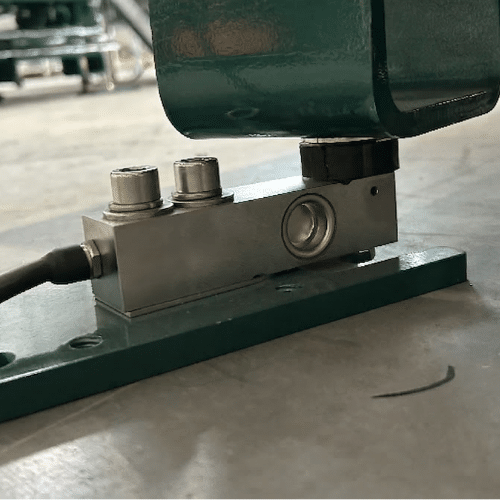
  • Load cell kits: We generally use 3 or 4 load cells, depending on the number of legs.
  • Junction box: This box connects all the load cells together.
  • Digital weight indicator: This allows data to be viewed on a local screen.
  • Output module: This optional module connects the system to your PLC or ERP.

Additional equipment enhances the safety of your storage system:

  • Level sensors: These high/low probes provide redundant overflow protection. They also stop drawing when the silo is empty.

What are the benefits?

Automating silo weighing generates immediate and measurable benefits for your industry:

  • Reduced risk of stock-outs: Stock-outs are reduced by 80% to 90%.
  • Optimised purchasing: You save 5% to 10% on your raw materials budget.
  • Elimination of additional costs: The solution removes costs associated with emergency orders (15% to 30% savings).
  • Time savings: You save 60 to 120 hours per year per silo.
  • ROI: The return on investment is achieved in just 6 to 18 months.
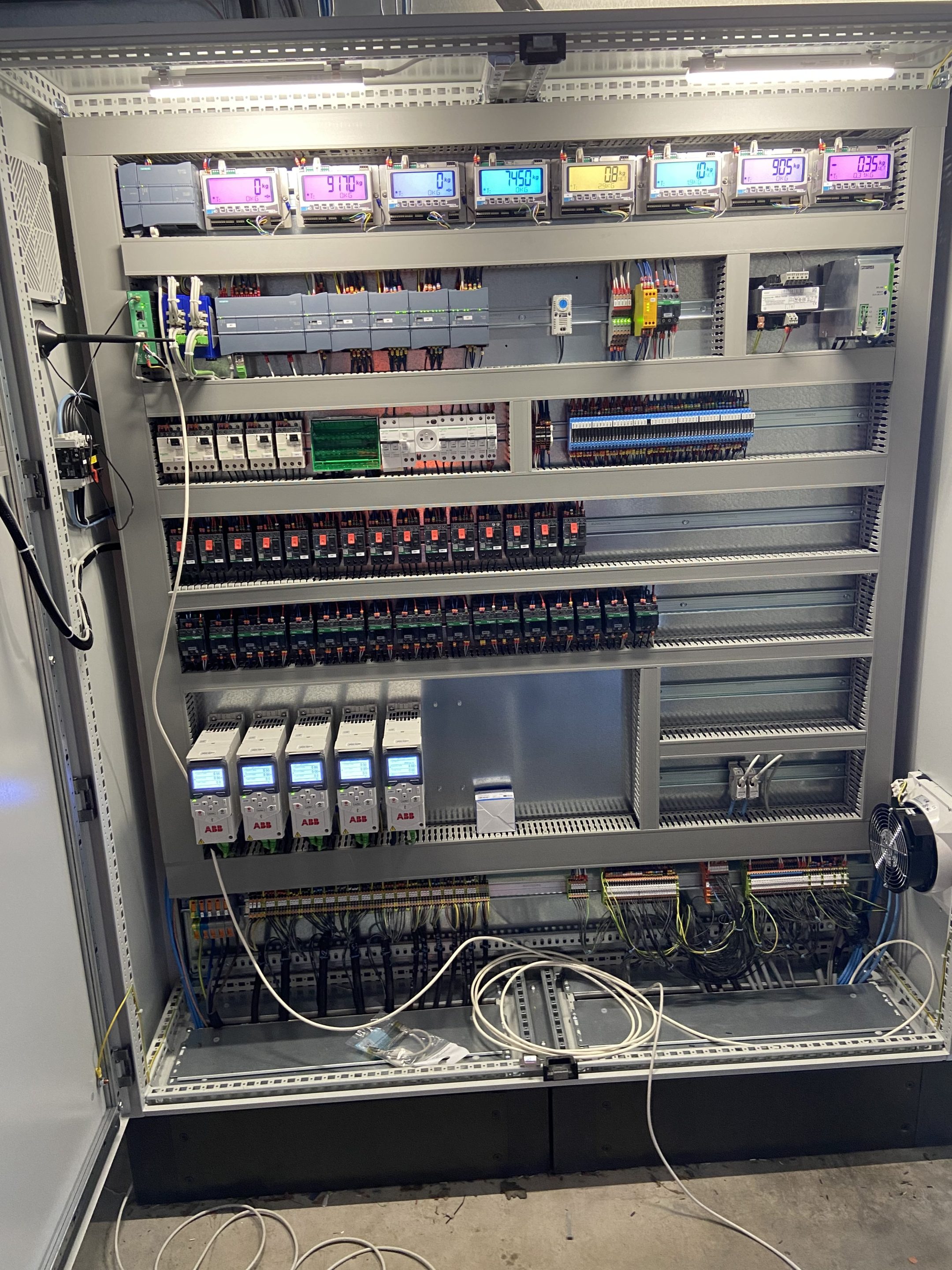
Control cabinet for the silo system fitted with load cells
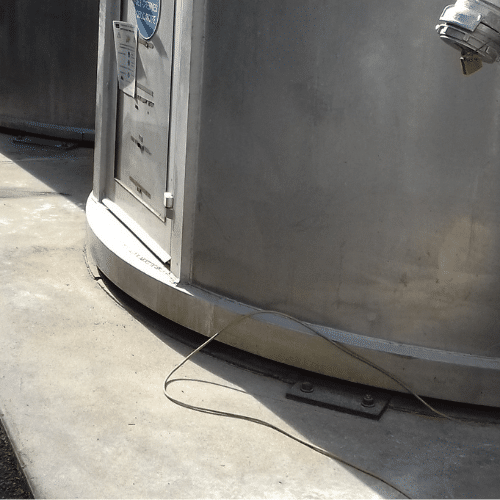
silo weighing 2

The benefits of the SYVRAC weighing solution

Thanks to this bespoke installation, the customer benefits from a reliable solution that is quick and easy to install, offering optimised costs and a rapid return on investment, guaranteeing increased productivity and optimised management of their raw material stocks and, consequently, their production.

SYVRAC’s turnkey approach makes all the difference. In addition to supplying equipment at competitive rates thanks to its partnerships, SYVRAC manages the complete installation, commissioning and training. The customer has a single point of contact who understands their production constraints and adapts to them, thereby avoiding the need to deploy their own maintenance teams.

Customer feedback following our intervention:

Once the load cells are in place, there’s nothing more to say! The solution is very satisfactory and has significantly boosted our productivity in terms of stock management.
Explanation from our SYVRAC expert:
We can act quickly depending on the client’s needs and the availability of materials, to optimise the installation of equipment. There may be no impact on production.

Conclusion

In conclusion, the integration of a weighing system proves to be a quickly profitable investment, transforming an operational constraint into a strategic advantage. Beyond ensuring production safety, it paves the way for sustainable financial and logistical optimisation. The next step is to explore linking weighing data to predictive maintenance tools to anticipate requirements for other equipment on the production line.

FAQ

Do I need to completely empty my silo to install the load cells?

Yes, the initial calibration requires the silo to be empty to ensure maximum accuracy. We will plan the work with you so that it coincides with a time when your silo is naturally empty, so as not to impact your production.

What is the difference between your load cells and simple level sensors?

A level sensor tells you whether the silo is (almost) full or (almost) empty. Our weighing system gives you the exact weight of the material in real time, with an accuracy of 0.1%. This not only helps prevent stock-outs, but also allows you to fine-tune your purchasing cycles and negotiate better supplier rates.

Once installed, do the load cells require regular maintenance?

No, the weighing system is designed to be robust and does not require regular maintenance. Once calibrated, it operates autonomously. We also offer remote monitoring options if you wish to delegate the monitoring of the load cells entirely.